Can You Sue Someone for False Accusations? Steps to Take When Someone Makes False Accusations Against You
False accusations often cause more than legal trouble and can result in long-lasting emotional harm, anxiety, and reputational damage. In many cases, victims may have the legal right to sue someone for emotional distress when false claims lead to psychological trauma and disruption of daily life.
A study from 2016 says that 22,000 Americans are behind bars for crimes they didn’t commit. In fact, 2% to 10% of incarcerated individuals are actually completely innocent. Up to 10,000 folks are falsely accused of a crime each year in the US. This miscarriage of justice is more common than we can imagine. But you have remedies like defamation and malicious prosecution to clear your name. Rio Law helps such victims seek compensation for their wrongful incarceration.
Quick answer: Often, yes. In California, the two most common routes are a defamation claim, where someone made a false factual statement about you to a third party and it caused harm, and a malicious prosecution claim, where someone brought a baseless case against you that was later resolved in your favor. Whether either applies depends heavily on the specific facts.
What Do We Mean by False Accusations?
An Illinois man spent over 30 years behind bars for a murder he didn’t commit. He was jailed in the ‘90s and got his name cleared in 2025. These false accusations can be quite dangerous.
When we say “false accusation,” we mean somebody making provably untrue statements about you to others. These statements imply criminality or immorality. These statements can ruin your good name and harm your social standing. We shouldn’t confuse these statements with honest mistakes or a negative opinion because the defendant presents them as factual statements.
These inaccurate statements cause identifiable damage. You may lose your job or suffer from emotional distress. But the context matters here. A casual rumor might not qualify. But emails to HR claiming you stole something do qualify. Some employers utter these false statements to discriminate against a minority worker by accusing them of poor performance amid racial bias. This conduct undermines your professional credibility and triggers harmful investigations.
So, what can you practically do when someone makes false accusations against you?
Some Common Types of False Allegations
We’re living in an age when AI falsely identifies someone as a criminal, leading to police arrest. At least eight Americans have been wrongfully arrested by cops because of these AI mishaps. False claims have different forms. AI hallucinations are a very recent form of defamation. You may not get misidentified by an AI, but you sure can experience these situations:
Criminal Allegations: Someone falsely reports you for theft or drug use. It leads to an arrest. You get a criminal record that’s hard to expunge.
Professional Smears: A coworker smears you at work by accusing you of harassment or embezzlement. They may share these defamatory remarks with their supervisor.
Civil Falsehoods: Someone can file a baseless lawsuit against you that implies a crime or wrongdoing.
Online Defamation: A person can use social media to label you as a cheater/abuser. These rumors spread like wildfire and damage your reputation.
How False Accusations Change Your Everyday Life
False allegations rarely hit just once. They follow a person for life. They spread and knock over one part of your life. Rumors trigger a chain reaction. Your friends stop talking to you, and even your family stops inviting you over for Christmas. A Scottish teacher had his life upended after a student accused him of pedophilia. These allegations caused him to lose his job and gave him severe emotional distress. So, can you sue someone for false accusations?
First, we must see how false accusations impact the life of an innocent person.
The Initial Shock and Awe
The first moment is pure disbelief for many people. One day, you’re going to work or living life normally; the next, you’re called into a meeting, pulled aside by the manager, or get an email accusing you of something you never did. Time slows down as you process the words of the page or the tone shift in your supervisor’s voice. You start replacing past conversations and meetings in your mind, trying to figure out who said what and why you’re their target.
When Rumors Start Spreading
Once these accusations leave someone’s lips or inbox, they take on a life of their own. People whisper in the hallway, and Slack channels go quiet when you log in. Invitations to meetings or social gatherings disappear without warning. You notice coworkers trading glances. Also, your once-friendly colleagues suddenly become distant and guarded around you. Your reputation is something you’ve built over the years; now, it feels like it can be undone in a matter of days.
Job Loss, Demotions, and “Quiet” Punishments
If you have reported elder abuse in your family, your relatives might shun you or stop talking to you. At work, false allegations quickly translate into career damage. It’s sometimes obvious, as you get a termination letter or get demoted. But the “punishment” is sometimes a lot quieter but just as harmful; your manager takes you off key projects and excludes you from client meetings. You may get quietly passed over for a promotion you were in line for just a few days ago.
These wrongful & retaliatory actions don’t simply affect your ego. They also bring real financial consequences. Your income is reduced. You get fewer bonuses & limited career advancement opportunities. Even if you manage to keep your job, your role might be so diminished that you’ll feel like starting from scratch. False accusations ruin lives by damaging people’s careers.
The Hidden Cost: A Damaged Reputation
The damage doesn’t stop when you leave your job. Future employers call for references or talk informally within the same industry. If someone hints that you were “a problem” or “involved in a terrible incident,” it quietly closes doors you never even see. You may find yourself:
Sending out dozens of CVs with zero responses
Getting to the final round of interviews and being inexplicably rejected
Accepting lower-paying or temporary roles just to keep the money coming in
False allegations set your career back years. All because of a story concocted about you based on things you never said or did. What to do when someone makes false accusations against you? You must understand the difference b/w defamation and malicious prosecution.
How Can You Sue Someone for False Accusations?
Defamation: The Core of Your Claim
A California man exonerated after spending 33 years in prison recently got $19 million as part of his settlement. But did he win this compensation for defamation or malicious prosecution? How do you sue someone for defamation? We have to understand the meaning behind this term.
Defamation is your main legal recourse against false accusations. Defamation can be libel (like emails or social media posts) or slander (like complaints to your boss). You need to prove that these statements were objectively false (not opinion); they must be published to a third party, as well as made with fault (i.e., negligence for private individuals and malice for public figures).
If someone accuses you of a crime, immorality, or incompetence, it qualifies as “defamation per se.” It presumes harm without needing physical injury. This legal remedy empowers victims with cases like HR misconduct emails. Talk to lawyers if you must sue someone for defamation.
Breaking Down Your Key Defamation Elements
Falsity: You should bring concrete contradictions that prove the falsity of that statement. It can be an alibi, document, surveillance footage, or witness testimony.
Publication: Prove the publication of that statement, e.g., text to your boss, LinkedIn or Facebook posts, meeting whispers, etc. Any third-party exposure will do.
Fault: The fault is either negligence (the defendant didn’t verify obvious falsehoods) or malice (the defendant knew you were innocent but lied nevertheless).
Damages: You must be hurt by these accusations. For instance, you lost wages from demotion or paid for therapy. Reputation PR costs also count.
Anti-SLAAP Protection: This protection dismisses frivolous suits and shift fees to the defendant if your motion fails.
Explaining Malicious Prosecution
Malicious prosecution lawsuits can help you When false accusations arise in the workplace and lead to retaliation, demotion, or termination, guidance from experienced employment lawyers in Oakland can help protect your reputation, preserve evidence, and pursue compensation for the harm caused. The core elements of malicious prosecution include:
Initiation: The defendant started or prolonged the proceedings.
No Probable Cause: There was no reasonable basis to believe these claims were true.
Malice: These proceedings were driven by revenge or other bad motives.
Favorable Outcomes: The case against you was dismissed. You were acquitted.
Damages: You paid the lawyer and lost your income. You may add emotional distress to the list as well.
Imagine false police reports from coworkers that lead to your arrest. Baseless HR filings can be a basis for malicious prosecution lawsuits as well. These lawsuits pair effectively with the FEHA retaliation law. You should talk to your lawyer about potential compensation in this case.
Claim Type
Requirements
Employment Link
Potential Damages
Defamation
False factual statements published to a third party with fault (either malice or negligence), causing reputation harm or emotional damage
High (HR complaints, false misconduct reports, coworker lies in the workplace, etc.)
High (Reputational damage, emotional distress, possible punitive damages, etc.)
Malicious Prosecution
Legal action started without probable cause, motivated by malice, yet ended in your favor
Medium (False police reports or baseless internal complaints that trigger investigations)
Legal costs from defending the case, lost wages, emotional distress, pain & suffering damages, etc.
Common Case Studies as per the California Law
Workplace False Accusations
When someone makes false accusations against you at work, it is usually due to someone retaliating against you. It’s also a common discrimination tactic. You may have raised disputes over wage & hour violations, so your boss filed a false performance review against you.
Racially motivated smears foster hostile environments with racial slurs or unequal pay claims, usually flipped against the victim of racism. FEHA strengthens these cases by permitting your emotional harm recovery claim without the strict physical proof burdens. FEHA lawsuits cover many workplace situations, like termination after FMLA leave falsely portrayed as abuse.
Detailed Workplace Examples
Retaliation setups are often insidious. For instance, an employee reports harassment. Then, they are accused of “aggression” in retaliation. It leads to disciplinary action or isolation. You may see that LGBTQ+ workers endure deadnaming and are then blamed for team dysfunction. An origin discrimination via accent mockery gets reframed as your unprofessionalism. FMLA fraud claims accuse faking illness post-leave, triggering audits and firings.
Criminal and Police Reports
False reports to law enforcement under Penal Code §148.5 constitute misdemeanors. These false reports are punishable by fines or jail time. But civil suits pursue deeper justice. Hence, if prosecution follows, you can revive malicious prosecution. You may be compensated for your arrest, bail, and trial. Talk to a lawyer about how to claim justice after a wrongful police report.
Digital and Social Falsehoods
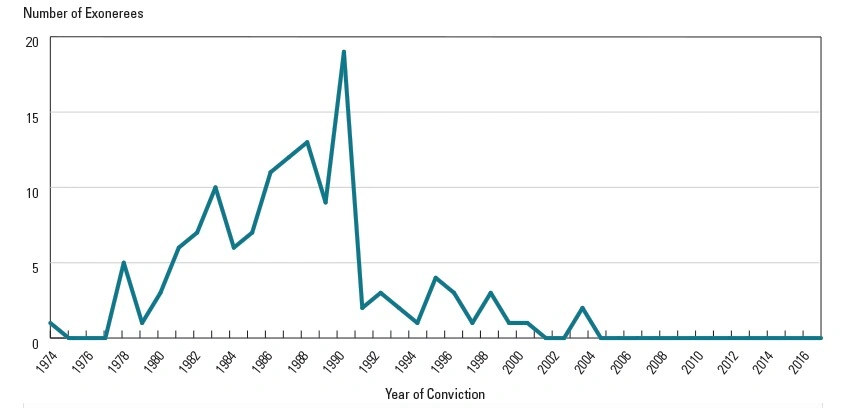
Online platforms often amplify harm through viral libel. A post that accuses you of crimes that garner thousands of views! You can sue the poster for defamation plus emotional damages. You may secure transactions and other forms of payment. That online post and its digital copies can be deleted as well. The graph shared below shows just how many people are wrongfully sent to prison for crimes they didn’t commit. These numbers were quite high in 1990!
Steps to Take When Someone Makes False Accusations Against You
Can you sue someone for false accusations? If yes, how do you do that? California’s largest wrongful conviction settlement was awarded to an Inglewood resident ($25 million) who spent a whopping 38 years behind bars for a kidnapping + murder he didn’t commit. His lawyers took all the right steps to show the malice of the police officers in charge of the investigation to prove the innocence of their client. It’s all about taking the right steps to preserve your good name.
Salvage Your Good Name Right Away
If someone accused you of something you didn’t do or say, here’s how you should react:
Document everything silently without alerting your accuser
Respond factually to investigators or HR employees without uttering emotional remarks or accusing the accuser in return
Notify your manager or authorities in writing, demanding a full, impartial investigation
Cease all direct contact with the accuser to prevent escalation or new claims
Consider a professional journal logging your emotional state and daily impacts
Get Legal Help for Personal Injury Lawyers
You don’t have to fight your defamation case on your own. Get help from experienced lawyers in California. We at Rio Law operate strictly on contingency. It means if you don’t win, we don’t get paid. You review all cases comprehensively to determine the merit of each lawsuit. We check all the evidence stacked against you, the evidence showing your innocence, the defense strategy, and the legal hurdles. Our team of experts defends people accused of fake crimes.
Understand the Legal Timeline
You should kick off with a detailed demand letter (written by your attorney) that outlines these false claims. This letter will include the false claims against you, the evidence of harm, and the particular compensation you deserve. You should also file with CRD or EEOC within three years for employment-related cases. If there’s no resolution to your case, you should:
Proceed with your lawsuit
Draft and file your defamation complaint
Enter discovery (exchanging documents, & depositions)
Face pre-trial motions
Head to trial, arbitration, or mediation.
Learn When to Negotiate and Litigate
A California man in his seventies was convicted of murdering his wife. His conversation has now been deemed wrongful, and he has been awarded over $25 million, nine years after he got out of prison. It took him four trials to prove his innocence for good.
In usual cases, demand letters are enough. They lead to quick settlements, especially against insured parties, such as your employer. That’s because these parties want to avoid publicity. It is good to start here for speed and lower stress. Litigation will secure higher payouts in egregious cases. But these cases are complex and may take several years.
Economic damages are pretty straightforward and quantifiable. You get back pay from wrongful job loss or suspension. Your legal fees for defending the accusations are also included (that is why lawyers don’t charge you upfront). If your tainted reputation forced you to switch homes, it’s entirely possible to add that to your final compensation. If you paid for career coaching or hired someone on Upwork to make a new CV, that’s also part of your economic damages.
Non-economic damages capture the invisible toll of your reputation damage, public humiliation, lost enjoyment of life, and strained family relationships. Your damages can range from $10k (for inconsequential incidents) to millions of dollars (for career-ending smears).
Hire Reliable California Lawyers to Evaluate Your Claims
This article explains what to do when someone makes false accusations against you. We at Rio Law excel in disability, workplace retaliation, and discrimination-linked false claims. We have helped thousands of clients in California by offering risk-free representation. Contact us for your false accusation claim, and we’ll review your case for free. Talk to us today!
Meet Our California Lemon Law Attorney
Sam Mollaei, Esq.
Sam Mollaei is the Founder and Managing Attorney of Rio Law Group, where he leads a results-driven team dedicated to fighting for the rights of California employees. From wrongful termination and discrimination to wage violations and medical leave abuse, Sam and his team have helped hundreds of workers across California secure justice and compensation for employment law violations. His approach combines legal expertise with strategic business practices, aiming to transform the delivery of legal services in employment and consumer protection law.







 Call
Call