
Can I Sue Someone for Emotional Distress? Learn How to Bring a Lawsuit Against Someone for Your Trauma
Many clients ask us, “Can I sue someone for emotional distress?” Yes, you can sue a person for causing your emotional distress. But this process is a little complex. It depends on the facts of your case and the definition of the term “emotional distress.” We’ll explain everything you need to know about emotional distress lawsuits in this blog (with a focus on California). Emotional distress claims often arise alongside other legal disputes, such as defamation or false allegations, where a person’s reputation and mental well-being are harmed by untrue statements or accusations made against them.

What is Emotional Distress?
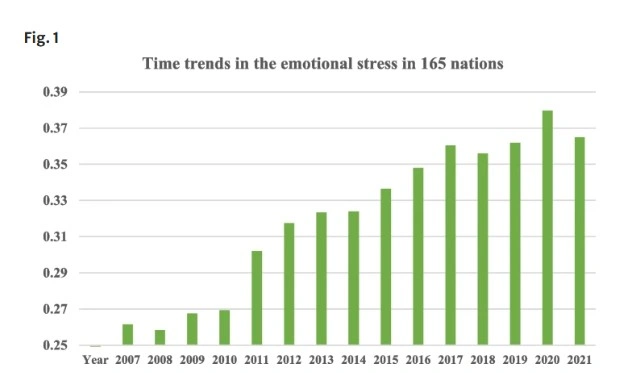
A PNAS study of survey data from 113 countries found that the share of people reporting emotional distress (a lot of worry, sadness, stress or anger the day before) rose from 25% to 31% between 2009 and 2021. But that’s not the kind of distress we’re concerned with in this article. The law defines “emotional distress” as major psychological harm someone causes you. This harm happens because of someone’s wrongful behavior. If you had a traumatic event or were mistreated by someone, this behavior distresses you emotionally and may scar you for life.
The symptoms of emotional distress can include anxiety, depression, panic attacks, and sleep problems. You may notice a decline in your quality of life. You may also become less functional at work. Courts in California are interested in serious & long-lasting distress. Temporary upsets don’t really make them sympathetic to your case. Normal stress isn’t part of our discussion.
Emotional Distress vs. Normal Stress
Not all emotional pain makes you eligible for compensation. Everyday stress or disappointment rarely rises to this level. Your emotional distress becomes “legally actionable” when it is:
- Caused by someone’s intentional or negligent wrongful conduct
- Severe enough to mess with your normal life/work activities (or hobbies)
- Backed by evidence like treatment records, meds, lifestyle changes, etc.
If your sadness is similar to what people usually go through in daily life, a court won’t intervene. But if your emotional harm is overwhelmingly persistent, you can then sue the guilty party.
When Emotional Distress Becomes Part of a Larger Case
You don’t need to be a student of legal matters to realize that emotional distress is usually just a single category of damages. For instance, somebody in a car accident demands compensation for their physical injuries plus anxiety & fear of driving. A workplace discrimination case involves the distress from harassment or a constant fear of retaliation from one’s coworkers.
But not every emotional distress case merits compensation. So, when can you actually sue someone for emotional harm?
Can I Sue Someone for Emotional Distress?
Most emotional distress lawsuits fall under one of these two legal theories, i.e., IIED and NIED. We will explain both types of claims in this section.
Case #1: Intentional Infliction of Emotional Distress (IIED)
To win an intentional infliction of emotional distress (IIED) claim in California, you must show three things:
- The defendant’s behavior was extreme and outrageous
- The defendant intended to cause emotional distress or acted in reckless disregard of the probability of causing it
- You suffered severe emotional distress, and the defendant’s conduct actually and proximately caused it
“Outrageous” conduct is more than someone being mean or insensitive to you. Conduct qualifies only if it goes beyond all bounds usually tolerated in a civilized community. Insults, indignities and petty annoyances do not. IIED cases include sexual harassment or death threats. Deliberate cruelty also falls under this umbrella, among other sorts of misconduct.
Case #2: Negligent Infliction of Emotional Distress (NIED)
Negligent infliction of emotional distress (NIED) is not a separate tort in California. It is a negligence claim, so it depends on the defendant owing you a duty of care, either as a direct victim or as a bystander. It doesn’t involve intentional cruelty, which is how it differs from IIED. California does not require physical injury. A bystander claim generally needs these things:
- You were closely related to the victim
- You were present at the scene when the injury-producing event happened and were aware that it was causing injury
- You suffered serious emotional distress beyond that of a disinterested witness
Of course, the exact standard often varies from state to state. California does not require physical injury for these claims. Medical negligence can be the basis of your NIED claim in California as well.
When Emotional Distress Alone Suffices
As we said just above, emotional distress can sometimes be the primary injury without a major physical injury. Stalking, threats, doxxing, severe harassment, or gross discrimination at work are a few examples. If someone intentionally tries to terrorize or humiliate you, you don’t have to prove you were ever physically harmed. The focus can remain on your emotional harm.
Common Situations Where People Sue for Distress
Workplace Harassment/Discrimination
You may wonder, “Can I sue someone for emotional distress due to workplace harassment?” Emotional distress is actually quite common in employment law claims. Many Americans have faced trouble at work. Your emotional distress claim has merit if you experienced:
- Repeated harassment based on your race, gender, disability, religion, or sexuality
- Hostile work environment that involved slurs, ridicule, ongoing humiliation, etc.
- Retaliation after you reported misconduct or exercised your legal rights (like requesting leave or reporting wage theft)
If your state has strong civil rights laws, you can get emotional distress damages if your boss is violating anti-discrimination statutes.
Retaliation or Wrongful Termination
If your employer is punishing you for speaking up against unfair work conditions, you have faced retaliation from your boss. This retaliation can lead to emotional harm and financial problems.
Some people are fired after they file a discrimination complaint. Others are demoted when they speak up or face isolation after they report unsafe work conditions. Some companies punish an employee who reports someone from senior management for sexual harassment. There have even been cases in which someone was terminated for requesting medical/pregnancy leave.
Emotional distress in workplace harassment and discrimination cases often requires legal guidance to ensure your rights are protected and evidence is preserved. Experienced employment lawyers in San Diego can help pursue compensation for emotional harm caused by hostile work environments, retaliation, or wrongful termination.

Personal Injuries
Emotional distress is a regular component of injury cases. Almost all car/truck accidents, slip & fall incidents, and dog attack cases include this component. You can see that many cases of a dog biting someone include a demand for compensation for the victim’s stress and trauma.
That’s because physical injuries can heal in these cases. But victims sometimes develop stress, depression, or PTSD. That’s why many emotional distress claims seek compensation for:
- Fear of getting behind the wheel again
- Nightmares or flashbacks of the accident
- Chronic stress or mood swings tied to the car crash
Family and Relationship Situations
Emotional distress can arise in personal relationships as well. But these cases are rare. They’re also fairly complex and sensitive. They include extreme emotional abuse by a spouse, messing with parental relationships outrageously, intentionally humiliating someone, or falsely accusing one’s wife/husband of cheating. It’s possible to sue a family member or close acquaintance for emotional distress. But courts have to distinguish actual abuse from simple family conflicts.
What Do You Need to Prove?
The Core of Your Emotional Distress Claim
The specific rules for proving your emotional distress can be different in different states. But the core of these claims remains the same. Every emotional distress claim has these elements:
- Wrongful Conduct: You need to prove the defendant’s intentional or reckless behavior.
- Causation: You have to show that a clear link exists between that certain conduct and your emotional harm.
- Severity: You must demonstrate the severity of your distress as something beyond brief sadness or annoyance
What Evidence Strengthens Your Case
Courts don’t simply rely on how you describe your emotional distress. You need to bring actual documentary evidence that proves your case. That’s why personal injury attorneys suggest that car crash or dog bite victims start journaling about their experience after the wrongful conduct. Waiting makes it harder to connect your distress to the original incident. Your evidence is:
- Mental health records by your doctor/therapist
- Prescription records for antidepressants or anti-anxiety meds
- Employment records showing that you missed work or were distracted at work
- Your diary or journal that describes your emotional state over time after the accident
- Sworn testimony from your pals, family members, or coworkers about how you became a changed person after that incident
How Your Distress Manifests Physically
The physical manifestations of your emotional distress make your case more compelling. Even though emotional distress lawsuits focus more on your mental health, courts pay close attention to these physical symptoms. They show how deeply your distress affected you. You may get:
- Headaches or migraines
- Stomach problems or ulcers
- High blood pressure
- Sleep disturbances and weight changes

How to Sue for Emotional Distress: A Step-by-Step Guide
Step #1: Get Medical & Psychological Help
Our clients ask us, “Can I sue someone for emotional distress right away?” We tell them to gather their evidence first. Your health comes first. You should see a doctor who can document your symptoms. Meet with a therapist who checks your mental health condition. An appointment with a counselor or psychologist will also help you in this case. Following your treatment plans will support both your well-being and your emotional distress case.
Step #2: Document the Wrongful Conduct
At the same time, you should start collecting evidence of what happened. This evidence often includes emails, text messages, chat logs, performance reviews, HR complaints, formal reports, photos/videos, legally permitted audio recordings, witnesses’ contact information, etc.
Create a chronological timeline of these traumatic events and how you reacted to them. This timeline will help your lawyer understand your story and also make it clear to the court.
Step #3: Talk to an Experienced Attorney
Of course, the next obvious step is to talk to an emotional distress lawyer. These cases are very fact-sensitive and legally technical. Contacting an experienced attorney can help you:
- Check if your facts meet the legal standards in the Golden State
- Identify if your emotional distress fits into a larger claim
- Explain your potential damages and likely outcomes
- Handle communications with insurance companies
Step #4: Submit an Administrative Complaint
Some emotional distress cases require filing an administrative complaint. You may have to file this complaint in workplace discrimination or retaliation cases with a government agency. Only then can you sue the defendant. Talk to your lawyer about explicit deadlines for these crucial complaints. Your lawyer will also prepare your complaint. Missing these deadlines can limit or outright block your right to sue the defendant in the future.
Step #5: Negotiate Your Final Compensation
After you have documented your claim, your lawyer may send a demand letter that describes all the things that happened to you. This letter will include your compensation, too. The guilty party will negotiate a settlement to avoid going to trial. These cases are usually settled this way.
However, if you two can’t reach a fair settlement or if one party believes they have a far stronger claim, this case may go to trial. The trial process doesn’t start right away. It goes like this:
- Discovery
- Motions
- Pre-trial hearings
- Mediation or settlement conferences
- Trial (a judge or jury of your peers decides who is liable)
What Damages Can You Recover?
Economic vs. Non-Economic Damages
| Economic Damages | Non-Economic Damages |
| Therapy and counseling expensesPsychiatric treatment and medicationLost wages or reduced earning capacity | Pain and suffering damages Anxiety, depression, or emotional anguish damagesCompensation for loss of enjoyment of life |
Punitive Damages
Some plaintiffs submit cases so outrageous and malicious that courts may award them punitive damages as well. These damages don’t compensate you directly for your losses. They actually punish the wrongdoer and deter similar behavior in society.
But not every case qualifies for punitive damages. The rules for these damages are different in different states. That’s why you need to ask your California lawyer about punitive damages.
How Much Is Your Emotional Distress Case Worth?
Another important question is, “How much money can I get in emotional distress cases?” There is no universal formula to calculate your emotional distress damages (unlike someone’s pain & suffering damages). The amount you may recover varies widely and depends on factors like:
- The severity and duration of your symptoms
- Whether you sought and followed medical treatment
- The impact on your job, relationships, and daily life
- How outrageous or negligent the defendant’s conduct was
How Long Do You Have to Sue the Guilty Party?
Many clients ask us, “Can I sue someone for emotional distress after a decade?” We have to remind them that every state has time limits. We call them statutes of limitations. They regulate the cutoff time for filing a lawsuit. These deadlines can be different based on many factors. Does your case involve personal injury or defamation? Do you need an administrative filing first? Most injury claims in California must be filed within two years (Code of Civil Procedure section 335.1), and employment complaints go to the Civil Rights Department within three years. You can’t miss this deadline. If you do, you may lose the right to bring your emotional distress claim entirely.
Exceptions and Special Situations
Of course, there are certain exceptions. They can extend or pause the deadline. For instance, if the victim is a minor or the distress was found many years later, the legal system can give you leeway. These exceptions are narrow and fact-specific, so do not assume you qualify without legal advice. Talk to reliable, California-based personal law attorneys about these exceptions.
Protect Your Rights with California Personal Injury Lawyers
If you want to learn if you can realistically sue someone for your emotional distress, you should talk to a lawyer. You’re experiencing real pain. Your case has merit. Reliable California lawyers will evaluate your case and help you understand how much you can get in compensation based on your unique circumstances. Contact us at Rio Law right away to get sound legal advice.

About Rio Law Group
Rio Law Group connects California employees with experienced employment attorneys for wrongful termination, discrimination, wage and hour violations, and medical leave problems.


 Call