
Can You Sue Someone for False Accusations? Steps to Take When Someone Makes False Accusations Against You
Quick answer: Often, yes. In California, the two most common routes are a defamation claim, where someone made a false factual statement about you to a third party and it caused harm, and a malicious prosecution claim, where someone brought a baseless case against you that was later resolved in your favor. Whether either applies depends heavily on the specific facts.
False accusations often cause more than legal trouble and can result in long-lasting emotional harm, anxiety, and reputational damage. In many cases, victims may have the legal right to sue someone for emotional distress when false claims lead to psychological trauma and disruption of daily life.
This miscarriage of justice is more common than we can imagine. But you have remedies like defamation and malicious prosecution to clear your name.

What Do We Mean by False Accusations?
False accusations can be quite dangerous.
When we say “false accusation,” we mean somebody making provably untrue statements about you to others. These statements imply criminality or immorality. These statements can ruin your good name and harm your social standing. We shouldn’t confuse these statements with honest mistakes or a negative opinion because the defendant presents them as factual statements.
These inaccurate statements cause identifiable damage. You may lose your job or suffer from emotional distress. But the context matters here. A casual rumor might not qualify. But emails to HR claiming you stole something do qualify. Some employers utter these false statements to discriminate against a minority worker by accusing them of poor performance amid racial bias. This conduct undermines your professional credibility and triggers harmful investigations.
So, what can you practically do when someone makes false accusations against you?
Some Common Types of False Allegations
We’re living in an age when AI falsely identifies someone as a criminal, leading to police arrest. At least eight Americans have been wrongfully arrested by cops because of these AI mishaps. False claims have different forms. AI hallucinations are a very recent form of defamation. You may not get misidentified by an AI, but you sure can experience these situations:
- Criminal Allegations: Someone falsely reports you for theft or drug use. It leads to an arrest. You get a criminal record that’s hard to expunge.
- Professional Smears: A coworker smears you at work by accusing you of harassment or embezzlement. They may share these defamatory remarks with their supervisor.
- Civil Falsehoods: Someone can file a baseless lawsuit against you that implies a crime or wrongdoing.
- Online Defamation: A person can use social media to label you as a cheater/abuser. These rumors spread like wildfire and damage your reputation.
How False Accusations Change Your Everyday Life
False allegations rarely hit just once. They follow a person for life. They spread and knock over one part of your life. Rumors trigger a chain reaction. Your friends stop talking to you, and even your family stops inviting you over for Christmas. A Scottish teacher had his life upended after a student accused him of pedophilia. These allegations caused him to lose his job and gave him severe emotional distress. So, can you sue someone for false accusations?
First, we must see how false accusations impact the life of an innocent person.
The Initial Shock and Awe
The first moment is pure disbelief for many people. One day, you’re going to work or living life normally; the next, you’re called into a meeting, pulled aside by the manager, or get an email accusing you of something you never did. Time slows down as you process the words of the page or the tone shift in your supervisor’s voice. You start replacing past conversations and meetings in your mind, trying to figure out who said what and why you’re their target.
When Rumors Start Spreading
Once these accusations leave someone’s lips or inbox, they take on a life of their own. People whisper in the hallway, and Slack channels go quiet when you log in. Invitations to meetings or social gatherings disappear without warning. You notice coworkers trading glances. Also, your once-friendly colleagues suddenly become distant and guarded around you. Your reputation is something you’ve built over the years; now, it feels like it can be undone in a matter of days.
Job Loss, Demotions, and “Quiet” Punishments
If you have reported elder abuse in your family, your relatives might shun you or stop talking to you. At work, false allegations quickly translate into career damage. It’s sometimes obvious, as you get a termination letter or get demoted. But the “punishment” is sometimes a lot quieter but just as harmful; your manager takes you off key projects and excludes you from client meetings. You may get quietly passed over for a promotion you were in line for just a few days ago.
These wrongful & retaliatory actions don’t simply affect your ego. They also bring real financial consequences. Your income is reduced. You get fewer bonuses & limited career advancement opportunities. Even if you manage to keep your job, your role might be so diminished that you’ll feel like starting from scratch. False accusations ruin lives by damaging people’s careers.
The Hidden Cost: A Damaged Reputation
The damage doesn’t stop when you leave your job. Future employers call for references or talk informally within the same industry. If someone hints that you were “a problem” or “involved in a terrible incident,” it quietly closes doors you never even see. You may find yourself:
- Sending out dozens of CVs with zero responses
- Getting to the final round of interviews and being inexplicably rejected
- Accepting lower-paying or temporary roles just to keep the money coming in
False allegations set your career back years. All because of a story concocted about you based on things you never said or did. What to do when someone makes false accusations against you? You must understand the difference b/w defamation and malicious prosecution.

How Can You Sue Someone for False Accusations?
Defamation: The Core of Your Claim
In November 2025, the city of Baldwin Park approved a $19.1 million settlement with Daniel Saldana, who spent 33 years in prison for a 1989 shooting he did not commit. His case was a wrongful conviction claim against the government. Suing a private person who lied about you is a different kind of case, and it starts with what “defamation” means. How do you sue someone for defamation? We have to understand the meaning behind this term. Past results do not guarantee future outcomes.
Defamation is your main legal recourse against false accusations. Defamation can be libel (like emails or social media posts) or slander (like complaints to your boss). You need to prove that these statements were objectively false (not opinion); they must be published to a third party, as well as made with fault (i.e., negligence for private individuals and malice for public figures).
If someone accuses you of a crime, immorality, or incompetence, it qualifies as “defamation per se.” It presumes harm without needing physical injury. This legal remedy empowers victims with cases like HR misconduct emails. Talk to lawyers if you must sue someone for defamation.
Breaking Down Your Key Defamation Elements
- Falsity: You should bring concrete contradictions that prove the falsity of that statement. It can be an alibi, document, surveillance footage, or witness testimony.
- Publication: Prove the publication of that statement, e.g., text to your boss, LinkedIn or Facebook posts, meeting whispers, etc. Any third-party exposure will do.
- Fault: The fault is either negligence (the defendant didn’t verify obvious falsehoods) or malice (the defendant knew you were innocent but lied nevertheless).
- Damages: You must be hurt by these accusations. For instance, you lost wages from demotion or paid for therapy. Reputation PR costs also count.
- Anti-SLAPP motion: A defendant can ask the court to strike a claim that targets speech on a public issue. You would have to show you are likely to win before the case goes further, and if the defendant wins the motion, you can be ordered to pay the defendant’s attorney’s fees and costs.
Explaining Malicious Prosecution
When false accusations at work lead to retaliation, demotion, or termination, guidance from experienced employment lawyers in Oakland can help protect your reputation, preserve evidence, and pursue compensation for the harm caused. The core elements of malicious prosecution include:
- Initiation: The defendant started or prolonged the proceedings.
- No Probable Cause: There was no reasonable basis to believe these claims were true.
- Malice: These proceedings were driven by revenge or other bad motives.
- Favorable Outcomes: The case against you was dismissed. You were acquitted.
- Damages: You paid the lawyer and lost your income. You may add emotional distress to the list as well.
Imagine false police reports from coworkers that lead to your arrest. Baseless HR filings can be a basis for malicious prosecution lawsuits as well. These lawsuits pair effectively with the FEHA retaliation law. You should talk to your lawyer about potential compensation in this case.
| Claim Type | Requirements | Employment Link | Potential Damages |
| Defamation | False factual statements published to a third party with fault (either malice or negligence), causing reputation harm or emotional damage | High (HR complaints, false misconduct reports, coworker lies in the workplace, etc.) | High (Reputational damage, emotional distress, possible punitive damages, etc.) |
| Malicious Prosecution | Legal action started without probable cause, motivated by malice, yet ended in your favor | Medium (False police reports or baseless internal complaints that trigger investigations) | Legal costs from defending the case, lost wages, emotional distress, pain & suffering damages, etc. |
Common Case Studies as per the California Law
Workplace False Accusations
When someone makes false accusations against you at work, it is usually due to someone retaliating against you. It’s also a common discrimination tactic. You may have raised disputes over wage & hour violations, so your boss filed a false performance review against you.
Racially motivated smears foster hostile environments with racial slurs or unequal pay claims, usually flipped against the victim of racism. FEHA strengthens these cases by permitting your emotional harm recovery claim without the strict physical proof burdens. FEHA lawsuits cover many workplace situations, like termination after FMLA leave falsely portrayed as abuse.
Detailed Workplace Examples
Retaliation setups are often insidious. For instance, an employee reports harassment. Then, they are accused of “aggression” in retaliation. It leads to disciplinary action or isolation. You may see that LGBTQ+ workers endure deadnaming and are then blamed for team dysfunction. An origin discrimination via accent mockery gets reframed as your unprofessionalism. FMLA fraud claims accuse faking illness post-leave, triggering audits and firings.
Criminal and Police Reports
Knowingly making a false report of a crime to police is a misdemeanor under Penal Code §148.5, punishable by fines or jail time. It can also support a civil claim. Since January 1, 2021, California’s litigation privilege (Civil Code §47(b)(5)) does not protect a report to law enforcement that the person knew was false or made with reckless disregard for the truth, so a defamation claim may be possible. If the report led to charges that ended in your favor, malicious prosecution may also apply, and damages can include costs tied to your arrest, bail and defense. Talk to a lawyer about how to claim justice after a wrongful police report.
Digital and Social Falsehoods
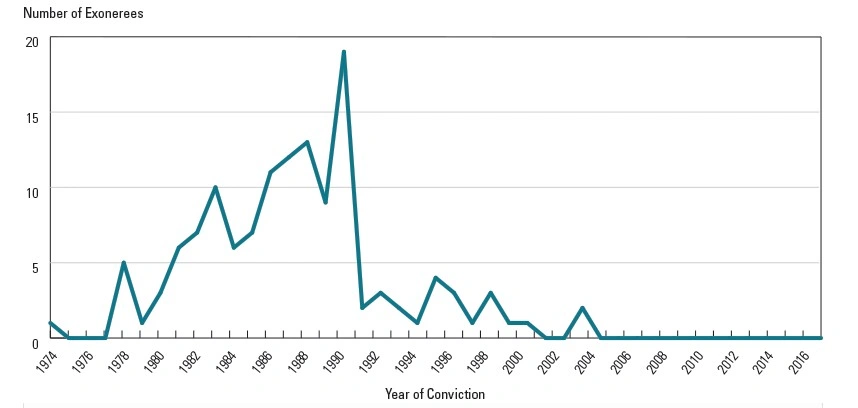
Online platforms often amplify harm through viral libel. A post that accuses you of crimes that garner thousands of views! You can sue the poster for defamation plus emotional damages. You may secure transactions and other forms of payment. That online post and its digital copies can be deleted as well. The graph shared below shows just how many people are wrongfully sent to prison for crimes they didn’t commit. These numbers were quite high in 1990!
Steps to Take When Someone Makes False Accusations Against You
Can you sue someone for false accusations? If yes, how do you do that? In 2025, Maurice Hastings, who spent 38 years in prison for an Inglewood kidnapping and murder he did not commit, reached a $25 million settlement that his attorneys said appears to be the largest wrongful conviction settlement in California history. The lesson for anyone facing false accusations is the same: take the right steps early to protect your good name. Past results do not guarantee future outcomes.
Salvage Your Good Name Right Away
If someone accused you of something you didn’t do or say, here’s how you should react:
- Document everything silently without alerting your accuser
- Respond factually to investigators or HR employees without uttering emotional remarks or accusing the accuser in return
- Notify your manager or authorities in writing, demanding a full, impartial investigation
- Cease all direct contact with the accuser to prevent escalation or new claims
- Consider a professional journal logging your emotional state and daily impacts
Get an Attorney’s Read on Your Case.
You don’t have to work out a defamation or malicious prosecution claim on your own. Rio Law Group can connect you with a California attorney who can look at the evidence on both sides and tell you whether a claim is worth pursuing. The case review is free.
Understand the Legal Timeline
Time matters. A defamation claim (libel or slander) generally has to be filed within one year (Code of Civil Procedure §340(c)), and courts have applied a two-year deadline to malicious prosecution claims against non-attorney defendants. You should kick off with a detailed demand letter (written by your attorney) that outlines these false claims. This letter will include the false claims against you, the evidence of harm, and the particular compensation you deserve. If the false accusation was part of workplace discrimination or retaliation, separate agency deadlines apply: three years from the last act to submit an intake form to the California Civil Rights Department (CRD), or 180 days to file a charge with the EEOC, extended to 300 days if a state or local agency enforces a similar law. Those deadlines do not apply to a defamation lawsuit. If there’s no resolution to your case, you should:
- Proceed with your lawsuit
- Draft and file your defamation complaint
- Enter discovery (exchanging documents, & depositions)
- Face pre-trial motions
- Head to trial, arbitration, or mediation.
Learn When to Negotiate and Litigate
A former Hesperia man wrongfully convicted of murdering his wife was awarded $25.2 million in 2025. Past results do not guarantee future outcomes.
In usual cases, demand letters are enough. They lead to quick settlements, especially against insured parties, such as your employer. That’s because these parties want to avoid publicity. It is good to start here for speed and lower stress. Litigation will secure higher payouts in egregious cases. But these cases are complex and may take several years.

What Damages Can You Recover?
So, can you sue someone for false accusations? We showed you that the answer is yes. But what sort of damages can you recover? In 2023, an Australian mayor said he would sue OpenAI after ChatGPT falsely said he had been found guilty in a bribery case, when he was in fact the whistleblower who reported it. In January 2025, a jury awarded a Navy veteran $5 million in his defamation case against CNN, and the two sides then settled on undisclosed terms. Past results do not guarantee future outcomes.
Economic damages are pretty straightforward and quantifiable. You get back pay from wrongful job loss or suspension. Your legal fees for defending the accusations are also included (that is why lawyers don’t charge you upfront). If your tainted reputation forced you to switch homes, it’s entirely possible to add that to your final compensation. If you paid for career coaching or hired someone on Upwork to make a new CV, that’s also part of your economic damages.
Non-economic damages capture the invisible toll of your reputation damage, public humiliation, lost enjoyment of life, and strained family relationships.
Can you sue someone for false accusations in California?
Often, yes. The two most common claims are defamation (a false statement about you that harms you) and malicious prosecution (someone brought a baseless case against you that ended in your favor). Whether either applies depends on what was said, who heard it, and what happened next.
What do you have to prove in a defamation case?
You generally have to show that someone made a false statement of fact about you, that they shared it with at least one other person, that it was not privileged, and that it harmed you. Written falsehoods are libel and spoken ones are slander. California defines libel and slander as false and unprivileged publications (Civil Code 45 and 46), and slander includes falsely charging someone with a crime.
How long do you have to sue for false accusations?
For libel and slander, the deadline is one year (Code of Civil Procedure 340(c)). For malicious prosecution, courts have applied a two-year deadline in cases against non-attorney defendants. Deadlines can turn on the facts, so don’t wait to talk to a lawyer.
Can you sue someone for filing a false police report?
Possibly. Knowingly making a false report of a crime to police is a misdemeanor (Penal Code 148.5). Since January 1, 2021, California’s litigation privilege does not protect a report to law enforcement that the person knew was false or made with reckless disregard for the truth (Civil Code 47(b)(5)), so a defamation claim may be possible. If the report led to charges that ended in your favor, malicious prosecution may also apply.
Can you sue over false accusations made at work?
Sometimes. California protects some statements made without malice to people who share an interest in the subject, such as a good-faith report to HR (Civil Code 47(c)). To win a defamation claim over a workplace accusation, you would usually need to show the statement was false and made with malice or without a good-faith basis. A lawyer can tell you whether other claims apply too.
What is malicious prosecution?
It is a claim against someone who started or kept alive a legal case against you without probable cause and with malice, where the case ended in your favor. You have to prove all of those elements.
Can the other side get my lawsuit thrown out?
They can try. California’s anti-SLAPP law lets a defendant file a special motion to strike a claim that arises from speech or petitioning activity on a public issue. If the defendant wins the motion, the defendant is entitled to attorney’s fees and costs (Code of Civil Procedure 425.16). That is why these cases should be built on evidence before filing.
Get a Free Case Review.
If a false accusation cost you a job, a promotion, or your standing at work, Rio Law Group can connect you with a California attorney who handles these claims. Contact us for a free case review.

About Rio Law Group
Rio Law Group connects California employees with experienced employment attorneys for wrongful termination, discrimination, wage and hour violations, and medical leave problems.


 Call