Can I File a Police Report for Verbal Threats? Learn How to File a Report When You’re in Danger
Did you know that 1 in 5 American employees find their workplace hostile or threatening? They face verbal threats from coworkers or managers. Verbal threats can take many shapes & forms; recently, a subway dispute in Brooklyn turned into antisemitism against Orthodox Jews.
So, have you ever faced a similar event in your work life or private life? If you are unsure about next steps, understanding how long a police report takes in California can help you act quickly without delaying your legal protections. You may wonder, “Can I file a police report for verbal threats?” Yes, you can and should file a police report for verbal threats in California. If someone’s threats make you reasonably fear for your safety (or a loved one’s safety), you should inform the authorities. FEHA protections recommend this, too.
Police reports create a vital record for legal protection and potential restraining orders. You may even bring a civil claim against your employer. But first, how do you define verbal threats?
How We Legally Define Verbal Threats
Verbal Threats
Some employees are threatened verbally by their coworkers for speaking up against unfair work conditions; these coworkers or managers usually retaliate by threatening the whistleblower. You should keep in mind that a verbal threat means spoken or written words that express someone’s desire to harm you. It lacks physical action. But these threats are criminal in California.
You need to prove these threats are credible, specific, and cause sustained reasonable fear. No touching is required in California (Penal Code Section 422). But a threat needs to be willful and immediate. Even “even if there is no intent of actually carrying it out,” the threat alone remains actionable. A 12-year-old student was arrested for threatening the school administrator recently. Similarly, a coworker can be charged for yelling “I’ll kill you” during a heated argument.
Assault
Assault is different from just threats. It escalates to an intentional act that creates imminent fear of bodily harm. Assault combines words with threatening behavior. If someone advances toward you menacingly as they threaten you, it’s assault. Even if no physical contact occurs! But your apprehension of immediate battery makes this assault actionable.
Imagine a coworker yelling a threat of harming you as they lunge forward or attempt to punch you. It’ll add the “present ability” element. This element qualifies this as misdemeanor assault (Penal Code 240). Assault is, of course, one step above a threat!
Battery
Battery completes the sequence with unlawful physical contact. Verbal threats lead to assault, and assault turns into battery. Like someone punching you after uttering a threat. The harmful, offensive touching itself constitutes this battery. Your coworker threatens you, and then they end up shoving or slapping you. You can sue for medical bills, pain, and punitive damages.
When Verbal Threats Warrant a Police Report
When Can I File a Police Report for Verbal Threats?
British cops investigated an MP in March for verbally threatening another politician with a racism angle. Verbal threats are a grave matter, and you should file a police report right after receiving one (mainly if they create a genuine sense of immediate harm). For instance, getting repeated warnings from someone who has a documented history of violence should concern you.
California courts will evaluate these threats based on different contextual factors to determine if they meet the threshold for criminal action under Penal Code Section 422. They evaluate your relationship to the threatener; a coworker who knows where you live/work poses a higher risk than a random stranger. Using a specific language is also important. For instance, “you’ll pay for this one day” is a vague rant, but “I’ll kill you tomorrow” is a threat warranting investigation.
If the threatener knows your vulnerabilities (“I know where your kids go to school”), you have a strong case. If the dispute is timed with post-performance reviews or complaint filing, it makes the threat more believable. Some non-verbal cues, like clenched fists, also go in your favor.
Building Patterns Over Time for Stronger Cases
Violence against school staff is increasing in the US; one-third of teachers say they have been verbally harassed or threatened by a student. If you want to file a police report, you must show a pattern building over time. Isolated incidents dismissed as “jokes” or heated words rarely result in arrests. Prosecutors need evidence of willful intent and sustained fear to proceed.
If you see verbal threats escalating over days or weeks, these patterns make them prosecutable offenses under PC 422. This section requires the fear to last a “reasonable period.” It needs to be proven by documentation spanning multiple events. You need to remember that:
Journaling about your experiences is important. Note the exact quote, date, time, place, witnesses, and your emotional/physical response.
Police reports serve as official timestamps. They create an undeniable progression that’s invaluable if these threats evolve into physical harm, stalking, property damage, etc.
Your documentation strategy holds water in employment law. These laws view repeated threats as factors substantiating a hostile work environment. You may file a FEHA claim based on your documented evidence.
If your manager’s “You’ll regret going to the HR” is followed by “Watch your back,” you can build a retaliation narrative. If you can link these threats to wage disputes or discrimination reports, it is a strong case for you. Courts and DFEH investigators look for patterned behavior. So, you’ll get a higher settlement for proven escalation. We’re talking backpay, therapy costs, etc.
Key Red Flags Demanding Immediate Reporting
Different indicators elevate verbal threats from annoying to actionable. They signal the need for police involvement alongside HR notifications. These red flags align with California protections for vulnerable employees. They help attorneys create strong civil cases as well.
Threats Tied to Protected Status: Words with racist or ableist connotations turn them into discriminatory harassment, e.g., “Go back to your country or else,” or “if you cannot keep up with your limp, you’re out.”
Repeated After Warnings to Stop: Ignoring your requests or HR directives to cease is a demonstration of the defendant’s deliberate intent to cause you harm. It eliminates the argument for impulsivity.
Accompanied by Stalking or Property Damage: Threats paired with stalking, slashed tires, unwanted calls, or other forms of harassment qualify as criminal harassment (PC 646.9). They show the other party means business, not mere threats.
Impact on Your Daily Life: If these threats make you lose sleep or cause a decline in your otherwise normal work performance (like you get panic routines or have to avoid your daily routine by taking a different path home), your lawyer can prove your sustained fear.
Just make sure to report these threats within the first 48 hours. Delaying your police report risks credibility erosion. Memories can fade, and evidence may get deleted. Early action will empower you. It will pressure your boss to intervene and deter the threatener. Always err on the side of caution; California laws favor proactive victims who hire local & experienced lawyers.
Your Step-by-Step Guide to Filing a Police Report for Threats
Prioritize Your Immediate Safety
How and when can I file a police report for verbal threats? Many clients come to us seeking legal assistance for racial discrimination threats uttered by a coworker. We always tell them to guarantee their well-being first. When danger feels imminent to you, ensure your safety.
Do not engage or even argue with the threatener
Don’t let threats escalate into assault or battery
Call 911 right away if you suspect immediate harm
Speak calmly and clearly to the emergency dispatcher
Tell them about the exact threat quoted verbatim, your current location, and a description of the threatener
For instance, you can say: “I am at my home and have just received a death threat from my former coworker who said: I’ll take care of you after work and end this. They know where I live and they look like this…” Dispatchers will use this information to respond to your call by sending officers or an ambulance (especially if they notice panic symptoms arising).
You must distance yourself physically from the threatener
Leave the scene and go to a public place like a coffee shop
Avoid the known locations of the threatener (frequented by them)
Alert trusted contacts, like your family or a coworker, for accountability
Tell them about your precarious situation without sharing graphic details that might worry them or spread panic (just say: “Had a problem at work; am heading home safely”)
Gather Essential Information Before Contacting the Cops
Hate crimes seem to be trending all over Europe. Even countries like Finland have seen a rise in racially motivated verbal threats. If you want to file a police report about a verbal threat, you should gather evidence. Preparation transforms a chaotic incident into a structured report. You can make police officers take you more seriously by following these steps:
Use your phone’s Notes app to create a detailed timeline right away
Record the exact words spoken by the person who threatened you
Write down the precise date, time, location, and the names of your witnesses
Include context, like prior incidents or your relationship with that person, to show why your fear was reasonable
You should also bring physical items to the police station. Some people upload evidence online for better safekeeping. Your thoroughness in evidence preparation shows the police you aren’t overreacting. This is the evidence that makes verbal threats easily actionable:
Your government-issued ID
Your phone charged with evidence (screenshots of texts or voicemails)
A notepad for jotting officer names and badge numbers
Related documents, like prior HR complaints
A description of your reaction to the threat (nausea or hyperventilation)
File Your Report: In-Person, Online, or Phone Options
You should also choose your filing method based on urgency and evidence type. If you visit a police station in person, you can get detailed sworn statements. Officers document your story verbatim and may even photograph evidence right there. Go to the station during business hours and explain to them, “I’d like to file a report for a criminal threat under PC 422.” Ask for a private interview room if you have a workplace case requiring witness coordination.
Many cities in California offer online portals for preliminary reporting. You can use these portals to upload photos, audio files, and timelines directly to a website. This method is ideal for digital threats like voicemails or emails. Phone filings via non-emergency lines start the process, often followed by a station visit for signatures. Always insist on a report number (write it down); also, ask for a free copy of the FIR. This is your proof of official action (essential for civil suits).
Always end your police station visit by asking about next steps: “Can you advise on an emergency protective order?” or “Will you contact the suspect now?”
Give evidence without speculating on motives; stick to facts like: “This made me fear harm because they have my address and a history of anger issues.”
Follow Up and Track Your Police Report’s Progress
Remember, persistence pays off in the end! You can follow up in 3 to 5 business days by:
Calling the report officer or desk sergeant by referencing your number
If they try to stall you, you can escalate politely to a supervisor or the department’s victim advocate
Track everything, such as dates called, names spoken to, outcomes noted, etc. Use this paper trail to pressure action and prepare for DFEH complaints.
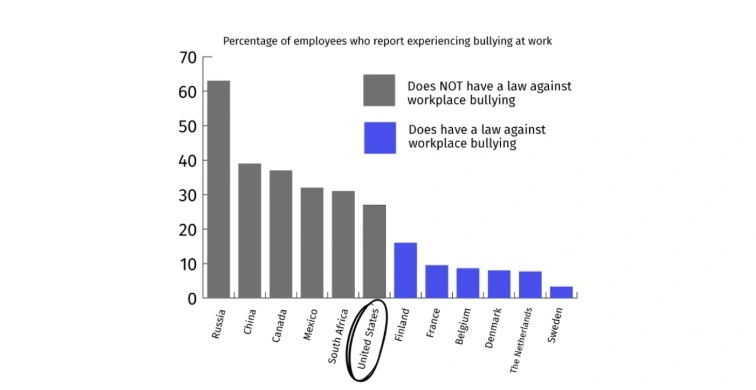
Early, detailed reports like these lead to resolutions: warnings issued, suspects disciplined, and victims compensated. We can see that workplace bullying incidents have increased in the US, a country with no federal laws against workplace bullying. Between 20% and 30% of workers in the US report workplace bullying. Learn how to report it when bullying turns into threats. When verbal threats at work escalate into fear, retaliation, or discrimination, guidance from employment lawyers in Los Angeles can help ensure police reports, HR actions, and FEHA timelines are handled correctly and used to protect your rights.
Handling Workplace Verbal Threats
How can I file a police report for verbal threats at my workplace? You need to report to HR at first (per policy). Write to them & demand an investigation. Document the impact of these threats (missed shifts, therapy costs, performance dips, etc.) to quantify your claims. HR handles these internal problems. But police reports complement these investigations. If you get fired after you file a police report, that’s wrongful termination. Check out this table to learn more:
Threat Source
HR Action
Police Role
Potential Claim
Retaliatory (after a complaint)
HR investigates and disciplines the guilty party
Police documents a pattern of abuse and threats
FEHA retaliation
From your supervisor
HR reassigns you and suspends the supervisor
Police charges them (if criminal, then PC 422 applies)
Wrongful termination or demotion
A hostile coworker
HR mediates between you and separates you
Police takes action if there is evidence of credible fear
Hostile work environment
Client or visitor
HR bans access and updates security personnel
Police can charge that client with trespassing
Negligent security
Evidence Collection Strategies
Digital & Written Proof: It includes screenshots (texts or emails) with headers that will show who sent this message and when. Save voicemails and transcribe them. The law says you need two-party consent for private recordings. Use body cams publicly or apps with notice. Gather witness affidavits detailing what they saw or heard.
Physical & Contextual Evidence: Note your physical reaction (like a panic attack). Get security footage with timestamped events. Journal your daily fears & behavioral changes as well. Back up this data on the cloud. Never delete the originals. Strong evidence turns “he said/she said” into winnable cases, leading to pain & suffering damage.
What Can You Do After Police Investigation Outcomes?
An officer of the law will interview you. They will talk to the suspect and willing witnesses. They will check out the evidence as well. Credible cases lead to citations (misdemeanor) or arrests (felony PC 422: up to 3 years in gaol). No action? You can file supplemental reports for patterns. If your report gets dismissed, appeal to a supervisor. Refile your report with new evidence. Civil suits proceed on their own; emotional distress damages often exceed criminal penalties.
California’s Legal Protections for Verbal Threat Victims
California’s Penal Code 422 criminalizes willful death threats or threats of great bodily harm. If these threats cause sustained fear, they become a misdemeanor or felony. FEHA bans threats from coworkers to coworkers due to someone’s race, disability, or gender. Labor code protects you against wage retaliation threats by doubling your recoveries. Check out this table:
Situation
Key Statute
Reporting Path
Your Damages
Domestic Threat
PC 13700
Hotline + Police
EPO, custody orders, support services, etc.
Online Harassment
PC 653.2
Platform + IC3/Police
Criminal charges, content removal, etc.
Elder Abuse Threat
W&I §15600
APS Hotline + Police
Treble damages & punitive damages
LGBTQ+ Hostility
FEHA
CRD + Police
Backpay + training mandates
Take Control of Your Peace of Mind with Rio Law
Can I file a police report for verbal threats? Sure, don’t let verbal threats silence you or derail your life—California law empowers you to fight back, and we at Rio Law Group are always here to champion your rights. We handle everything from filing police reports to securing a restraining order and pursuing FEHA settlements for lost wages, emotional distress, & punitive damages on a contingency basis. Contact us today to take control of your peace of mind in California.
Meet Our California Lemon Law Attorney
Sam Mollaei, Esq.
Sam Mollaei is the Founder and Managing Attorney of Rio Law Group, where he leads a results-driven team dedicated to fighting for the rights of California employees. From wrongful termination and discrimination to wage violations and medical leave abuse, Sam and his team have helped hundreds of workers across California secure justice and compensation for employment law violations. His approach combines legal expertise with strategic business practices, aiming to transform the delivery of legal services in employment and consumer protection law.







 Call
Call