How Does Lemon Law Work?
Buying a new vehicle is supposed to be exciting—one of those things in life that feels like winning. But when that new, gleaming car starts to malfunction weeks after the buy, what are you supposed to do? If you find yourself repeatedly returning to the dealer for repair after repair on the same issue, you might be stuck with what’s just called a “lemon.”
Fortunately, you’re not stuck with a bad deal. That’s where lemon laws come in—consumer protection laws that are designed to shield you from being stuck with a lemon car. These laws ensure that if a manufacturer is unable to fix your car after a fair number of attempts, they must replace it or refund you your money. Piece of cake, right?
Not so fast.
Lemon laws vary by state, with each having its own rules, timelines, and definitions of what constitutes a “lemon.” And here’s the bad news: not all manufacturers are created equal in lemon suits. For example, Toyota was sued under the Lemon Law only once for every 2,029 new Toyotas sold in California during the 2018 to 2021 period. General Motors, however, was struck with lemon lawsuits once for every 78 new GM vehicles registered, which would mean that GM buyers were 26 times as likely to sue for lemons as were buyers of Toyotas.
So, how do you know whether your car is eligible? What do you do? And how do you actually win your case?
Here in this guide, we’ll walk you through exactly how lemon laws work, which cars are included, how to know if yours is included, and what to do if you think you’ve been sold a lemon.
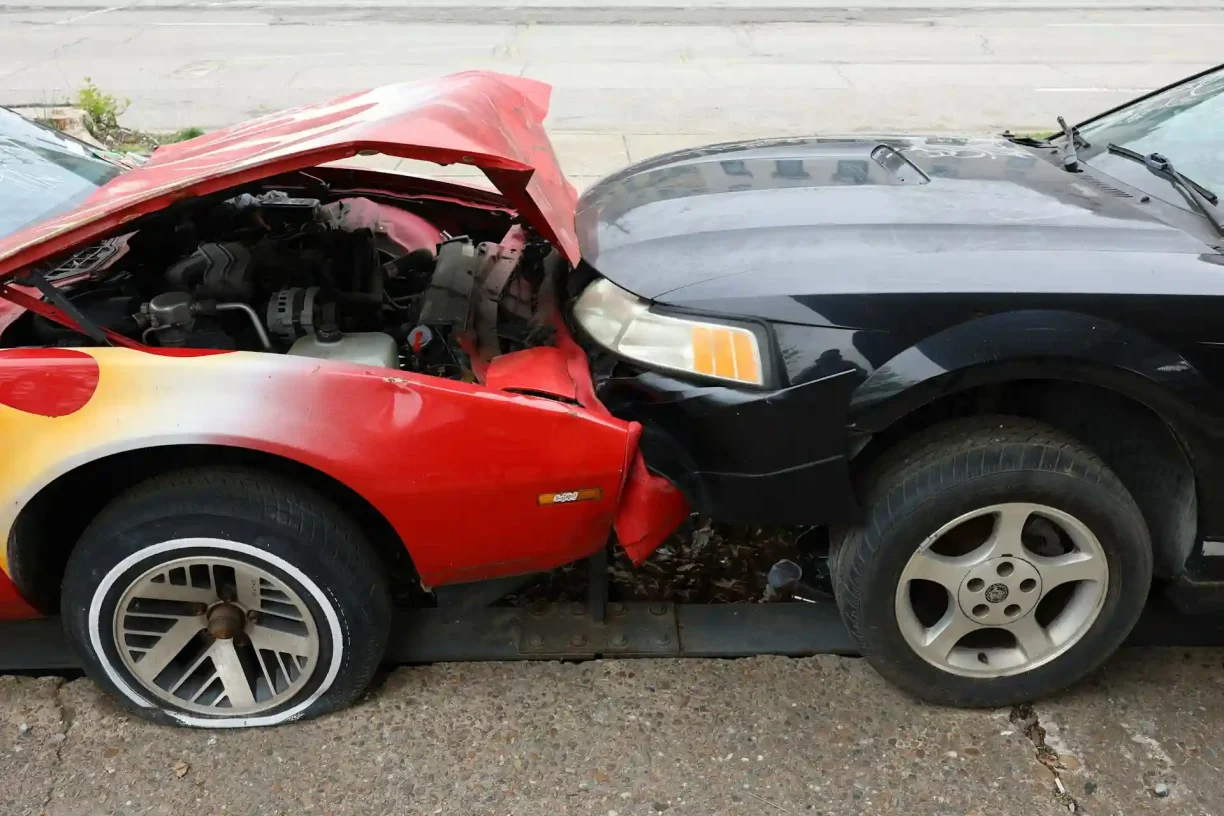
What Is a Lemon?
Lemon is commonly defined as a vehicle—new or, in some states, used—that has a significant defect that significantly impairs its use, safety, or value, and which cannot be repaired within a reasonable number of attempts by the manufacturer or dealer. Lemon laws vary from state to state, but most cover vehicles under the manufacturer’s warranty and require the defect to appear within a reasonable time frame or amount of mileage.
Common Signs Your Car Might Be a Lemon
If your car spends more time in the repair shop than driving down the road, you might have a lemon. Watch out for these warning signs:
- The same problem continues.
You take your new SUV into the dealership for a faulty backup camera. The dealership “fixes” it, but two weeks later, it’s faulty again. You take it back, and it does it again after each repair.
- Safety features do not work as they should.
Your brakes occasionally lock up when you’re on the road, or your warning light for airbags won’t turn off, even after the mechanic assures you that it’s been taken care of.
- The car is in and out of the shop for extended periods.
If your vehicle has spent 30+ days at the dealership (not all at once), that’s a major red flag.
- You feel that driving it is unsafe or unreliable.
Steering problems, stalling, or power loss can endanger you and others.
The Basics of Lemon Law
Lemon laws protect you in case that shiny new car you bought turns out to be a mechanical nightmare. Lemon laws ensure that if your vehicle has serious problems that can’t be fixed after multiple repair attempts, you’re not stuck paying for it, or driving a danger on wheels. Lemon laws are enforced on the state and federal levels, and while they share the same goals, the kind of protection you can get depends on where you live.
Federal Protection: The Magnuson-Moss Warranty Act
At the federal level, the Magnuson-Moss Warranty Act (passed in 1975) is the foundation for protecting consumers from defective products—cars among them. It requires companies to support their written warranties and gives customers the right to seek damages in court if those warranties are not fulfilled. It does not explicitly define what a “lemon” is, but it gives customers the right to pursue remedies as well as attorney’s fees in legal proceedings if a warranted product (like a car) fails to perform as promised. So even if your state does not have you under its lemon law precisely where you are, safeguards under federal statutes can still provide you with relief.
State Lemon Laws: Completing the Gap
Every one of the fifty states has its own lemon law, and that’s where specificity begins. State law complements the federal cornerstone by:
- Defining a lemon.
- Clarifying how many times an attempt at repair must be made.
- Identifying time or mileage limits.
- Defining the nature of compensation you qualify for.
Key Eligibility Requirements for Lemon Law
Lemon laws are in place to protect consumers who’ve bought a car that turns out to be more of a headache than it’s worth—but only if some requirements are met. Whether you drive a new sedan or a used motorcycle, it’s worth knowing the key eligibility requirements before you make a claim. Here’s what you need to know:
-
Covered Vehicles
The kind of vehicle covered under lemon laws varies from state to state, but broadly, the following categories are commonly covered:
- New Cars – Most state lemon laws primarily cover new cars purchased from a licensed dealer, and still in the manufacturer’s warranty.
- Used Vehicles – A few states (New Jersey and New York, for example) extend lemon law protections to used vehicles, especially if the vehicle was sold with a written warranty.
- Leased Cars – Leased vehicles may also qualify, provided that the defect manifests under warranty and otherwise qualifies for eligibility.
- Motorcycles – Not all states provide coverage for motorcycles, but some (California and Florida, for instance) do.
- RVs and Motor Homes – Most states provide coverage for the drivetrain and chassis of RVs, but can exclude living quarters.
It’s important to review your particular state’s lemon law statutes before making a claim to determine whether your vehicle type qualifies.
-
Time and Mileage Limits
Most state lemon laws specify small time and mileage windows within which the defect must develop. This is to ascertain that the problem is a manufacturing flaw, not wear and tear or owner abuse.
Typical time/mileage cut-offs are:
- 12 to 24 months from the date of purchase, or
- 12,000 to 24,000 miles, whichever is sooner.
For example, if your car starts to have serious brake issues at 26,000 miles and your state’s cutoff is 24,000, you won’t be protected under the lemon law—regardless of how big the problem is.
-
What is a “Substantial” Defect?
Not every annoyance is a lemon law defect. To qualify, the issue must be “substantial,” i.e., it must significantly affect the:
- Use – e.g., car stalls when accelerating, or won’t shift properly.
- Value – e.g., repeated engine knocking damages resale value.
- Safety – e.g., airbags won’t fire or brakes lose their function.
Small issues, such as an interior trim panel that’s loose or an infotainment system that’s being quirky, don’t typically qualify unless they’re part of a larger, repeat issue.
-
Reasonable Number of Repair Attempts
Perhaps the most muddled part of the lemon law qualification is what defines a “reasonable” number of repair attempts. Though the actual figure may vary, the general rule in most states is:
3 to 4 unsuccessful attempts to fix the same problem,
OR
The vehicle has been out of commission for a cumulative 30 or more consecutive days for repairs, the same or different problems.
Example: If your vehicle has been in the shop three times for an overheating engine and one time for brake issues, and the engine keeps overheating, you might qualify. Or if your vehicle sat at the dealer for a cumulative 40 days for a string of repairs, you might still qualify.
-
Documentation Is Everything
Even if your car obviously conforms to all other specifications, your lemon law case can collapse because it lacks paperwork. Keep a detailed paper trail containing:
- Each visit to the dealerships and services and repairs records
- Repair order receipts with dates and descriptions of problems
- Email, text, or letter correspondence with the manufacturer or dealer
- Warranty papers that show the coverage period
These records prove that you provided the dealer or manufacturer with a reasonable opportunity to correct the issue and that the defect appeared within the period of coverage or mileage.

How Do Lemon Laws Differ State to State?
While the federal Magnuson-Moss Warranty Act provides a baseline of consumer protection across the U.S., each state has its own lemon law with unique rules, timelines, and covered vehicles.
| State |
Covers Used Cars? |
Time / Mileage Limit |
Repair Attempt Threshold |
Days Out of Service |
Special Notes |
| California |
✅ Yes (with warranty) |
18 months or 18,000 miles |
2 for serious safety, 4 for other issues |
30+ days |
Very consumer-friendly. Includes leased cars and small business vehicles. |
| Florida |
❌ No |
24 months from delivery |
3 repair attempts |
15+ days |
Covers only new vehicles. Arbitration available through state-run program. |
| New York |
✅ Yes (dealer sales) |
2 years / 18,000 miles (used) |
Reasonable number of attempts |
N/A |
Requires written warranty from dealer for used cars. |
| New Jersey |
✅ Yes (limited) |
2 years / 24,000 miles |
3 repair attempts |
20+ days |
Covers used cars sold with warranty. Includes arbitration through state office. |
| Texas |
❌ No |
24 months or 24,000 miles |
4 repair attempts |
30+ days |
Unique “4-times test” and “serious safety hazard” test. |
| Massachusetts |
✅ Yes (limited) |
7 days or 125 miles (used vehicle return) |
3 repair attempts |
N/A |
7-day return policy for serious defects in used cars. |
| Ohio |
❌ No |
12 months or 18,000 miles |
3 repair attempts |
30+ days |
Vehicle presumed lemon after 3 attempts or 8 total defects. |
| Illinois |
❌ No |
12 months or 12,000 miles |
4 repair attempts |
30+ days |
Excludes motorcycles and modified vehicles. Covers leased vehicles. |
| Pennsylvania |
❌ No |
12 months or 12,000 miles |
3 repair attempts |
30+ days |
Only covers new cars; used car protection is through general warranty laws. |
| Arizona |
✅ Yes (30-day warranty) |
2 years or 24,000 miles (new cars) |
4 repair attempts |
30+ days |
Limited used car coverage with implied warranty within first 15 days. |
The Lemon Law Claim Process
Suing on a lemon law case can appear intimidating, but with the right information and preparation, it is absolutely doable. If you’re dealing with a defective car that keeps going back and forth to the garage or are fighting for a replacement or refund, it can be really useful to walk you through these steps so that you can feel confident in going through the process.
- Detailed Records and Receipts
Begin on day one, keep a paper trail. This is the backbone of your case.
Save:
- Repair orders and invoices
- Dates and descriptions of every problem
- Mileage of every repair visit
- Letters (e-mails, messages, or mail) exchanged with the dealer or the manufacturer
- Inform the Manufacturer in Writing
Most states also mandate that you inform the manufacturer of the defect prior to pursuing any legal action.
Send certified mail with a return receipt. This gives you evidence that they’ve received your complaint.
What to include:
- Make, model, year, and VIN of your car
- Description of defect
- Summary of repair attempts made
- Request for resolution (replacement, refund, etc.)
- Provide a Final Repair Attempt (If Necessary)
Some states require you to give the manufacturer a last opportunity to fix the problem after you’ve given your written notice.
Tip: That attempt still has to happen within your state’s initial time/mileage limits of its lemon law.
- File a Claim: Arbitration or Court?
If the issue isn’t fixed, you’ll typically go to arbitration or court.
Arbitration (typically mandatory first):
- Conducted by the company or third parties (e.g., BBB Auto Line)
- Less formal and usually quicker (30–60 days)
- No or low cost to the consumer
Strengths: Speedy, inexpensive
Weaknesses: Limited appeal options, possible manufacturer bias
Court:
- You can sue the state lemon law or the Magnuson-Moss Warranty Act
- Usually offers for attorney fees to be paid by the manufacturer if you prevail
Tip: Visit a lemon law lawyer—most offer free consultations and only get paid if you win.
- Understand Time Frames and Statutes of Limitations
Every state has a statute of limitations—usually 2 to 4 years—from when the flaw manifests.
Don’t delay. If your vehicle is running irregularly, act quickly. Even if you don’t believe it’s a “lemon,” reporting issues now will be to your benefit if issues ensue.
What Happens If You Win?
If you win a lemon law case, you can expect one of several possible results, each designed to compensate for the hassle and cost caused by your defective vehicle:
You receive a full refund of the purchase price, taxes, charges, down payment, and even finance charges and interest in some cases.
The maker deducts a “mileage offset” or usage charge, which represents the miles you drove before the flaw developed.
All incidental expenses and repair stipends (towing and rental vehicles, for example) are typically covered.
Instead of a refund, you may opt for a replacement vehicle that is basically identical to your original, with the exception being the flaws.
The new car is paid for by the maker, including taxes and registration.
- Cash Settlement (Keep the Car)
In some cases, you may receive a cash settlement and keep the car. This is more probable if the car does not technically qualify under the lemon law but has definite issues anyway.
The settlement payment is usually less than a full refund, and you keep the vehicle and its warranty.
You may be reimbursed for your own repair costs and incidental expenses like rental cars, towing, or even attorney’s fees.
What Happens to the “Lemon” Car?
If the dealer buys the car back, it will usually not be sold as a regular used car. It can be stamped as a “lemon” on the title and resold only after complete disclosure of its history, or it can be auctioned or parted out, as required by the states.
When to Hire a Lemon Law Attorney
While many lemon law complaints can be handled by yourself, there are some instances where professional legal help isn’t just helpful, but essential. If your car is still riddled with defects, and the manufacturer or dealership is refusing to take responsibility, a lemon law attorney can be imperative.
Situations Where Legal Help Is Essential
These are some signs that it’s time to hire experts:
- The manufacturer won’t play ball: If they keep rejecting your claim after multiple repairs, or won’t respond to your certified letter, it’s a red flag.
- Arbitration didn’t work out: Maybe you went through the process and were offered way less than your car is worth—or nothing.
- You’re not sure if you even qualify: Lemon law statutes are state-specific. A skilled attorney can easily figure out whether your case qualifies under the law.
If you’re stuck with a defective car and exhausted from repeated trips to the repair shop, it’s time to consider professional help. Consumer Protection Law Group has helped over 3,915+ consumers nationwide get the compensation they deserve.

Wrapping Up
Lemon law exists to protect consumers from faulty vehicles that just aren’t worth the trouble. If you’ve wound up with a ride that logs more hours at the repair shop than on the road, it’s time to take matters into your own hands. By learning the steps, the requirements, and the resources, you can stand up for your rights and win a fair result.
Don’t forget that lemon laws exist to keep you from being stuck with a defective vehicle that compromises your safety, comfort, and peace of mind. You have options, whether it’s through arbitration, claim filing, or engaging the services of a professional.
If you’re puzzled or worried regarding your case, Consumer Protection Law Group is at your service. With over 3,915+ successful cases nationwide, we’re experts in getting you the compensation you’re entitled to—no initial charge. Don’t settle for a lemon. Let us take the reins and fight for the justice you’re entitled to.
Citations
- (N.d.). Publicinterestnetwork.org. Retrieved May 8, 2025, from https://publicinterestnetwork.org/wp-content/uploads/2022/05/Auto-Lemon-Index-CAP-CARS-FG-May22.pdf
- Magnuson moss warranty-Federal Trade Commission improvements Act. (2013, July 19). Federal Trade Commission. https://www.ftc.gov/legal-library/browse/statutes/magnuson-moss-warranty-federal-trade-commission-improvements-act
- Lemon laws by state. (n.d.). Bbbprograms.org. Retrieved May 8, 2025, from https://bbbprograms.org/programs/dr/lemon-law




 Call
Call