Check Out the Pros and Cons of Class Action Lawsuit Cases in California
You must’ve heard of the class action against Tyson Foods. It was settled a few days ago. The meat giant settled for over $80 million amid claims that it raised the prices of their goods artificially. It makes you wonder about the pros and cons of class action lawsuit. To pursue a class action lawsuit or not; that is the question. Should you do it or fly solo?
Imagine if you and your five hundred coworkers at a California warehouse were shorted on overtime. You folks worked for free for half an hour every day. This stolen OT now amounts to thousands of dollars per person. You talk to your boss, who laughs it off. But you are all fuming with rage. Do you sue your employer individually and risk your savings on lawyer fees for a humble solo claim? Or do you band together to hit the company for millions?
This blog will help you determine which way to go. Thousands of workers battle wage theft and harassment every year. So, if you want a San Francisco lawyer to represent your class action, contact us at Rio Law. We’ll review your case and give you sound & expert advice. Many employment class actions arise when workers experience the same pattern of unpaid overtime, missed breaks, or wage deductions across an entire workforce. Knowing how California overtime laws apply can help workers decide whether a shared legal approach makes more sense than filing alone.
Understanding Class Action Lawsuits
We’ll tell you all the major pros and cons of class action lawsuit cases. But let’s not forget about describing what “class action” really means. Class actions set a new record in 2025. A whopping 1,700 class lawsuits were settled for some $79 billion in the US, doubling the digit from the year before! Class suits are what the American dream is about, i.e., a group of very brave coworkers stepping up to sue their boss for getting the short end of the stick.
California’s Code of Civil Procedure §382 describes class lawsuits as one or multiple “lead plaintiffs” representing a big bunch of folks (the “class”). They all suffer from the same harm from the same shady employer practices. Think of it like a group lawsuit where your tale helps prove everybody else’s story, instead of 500 people lodging solo complaints.
Class action lawsuits can be about anything employment-related. You can sue for:
Wage & hour violations: It includes unpaid OT, missed lunch breaks, making you work outside office hours, etc.
Harassment or discrimination: It includes company-wide sexist promotions or age bias, axing older workers.
FMLA denials: It includes your boss firing a bunch of employees for medical leaves that everybody qualifies for, i.e., FMLA violations.
Other biggies: It includes safety violations or refused accommodations that affect a shift full of multiple workers.
But don’t just assume that courts will let you file a class action out of the blue. Courts look into your claims and see if it merits the class status. Your case has to meet these criteria:
Numerosity
Commonality
Typicality
Adequacy
Your class has to be huge and multiple plaintiffs (a few dozen will do)
Everybody in your class has the same core facts/law (e.g., same unpaid break policies)
The lead plaintiff’s beef with the boss mirrors the shared concerns of the whole group
Leads and their lawyers can fairly represent everyone without a conflict of interest
Class lawsuits are common against tech giants and major firms. Tesla’s auto insurance arm faced one in California last year! If you want to pursue a class action, learn its pros & cons. We will share 4 pros and 4 cons of class suits in this blog. Choose your path wisely!
4 Pros of Class Action
A class against Otter AI alleged that this service was recording private conversations. Apple also faced a similar lawsuit (Siri eavesdropping on your calls) for $95 million. Roblox faced over 30 separate child exploitation lawsuits that have now been merged into one.
Class actions aren’t for every fight. But they work the best when employers are pulling the same dirty tricks on an entire workforce or consumer class. You can turn your solo battle into a well-organized and well-funded war with class action lawsuits. We’ll discuss 4 key reasons why you should combine your complaint with like-minded individuals in California:
One Case Handles Hundreds Without Chaos
Imagine your warehouse has shorted 500 workers on overtime. Everyone wants to sue their employer on their own. But courts will drown in identical complaints against the same person (think about endless duplicate filing and repeated evidence dumps). Class actions allow the legal system to streamline these proceedings. Here’s why class actions are spectacular:
Discovery (subpoenas and payroll records) happens just once
Judges save months or even years of their precious time
Employers defend a single front instead of fighting a hydra
Everybody wins on speed, and courts clear dockets faster
Shared Expenses Make Small Claims Winnable
Solo suits are a stinger! You have to pay hefty attorney fees. Many people don’t pursue legal action because they realize they’ll end up paying more than their compensation. Who wants to afford all this? Class actions flip the script on this by pooling costs across hundreds or thousands. They slash per-person expense to pocket change. Your lawyer’s compensation will come from the massive settlement. It won’t come from your wallet upfront!
Watch your tiny gripes become golden! A lone $500 missed-break claim will be dead before it can even take off! But if you bundle it with a thousand other people, it can fuel a monster like $20 million. Everybody will get $5,000 checks after the lawyer gets their share. If you’re a low-wage retail or gig worker, you can fight back without the risk of bankruptcy.
Most Members Can Stay Anonymous
The fear of retaliation paralyzes many people who are thinking about suing their bosses. A worker assumes that: If I sue my manager, I’m either fired or blackballed. Employers also target “troublemakers” in the company.
Class actions give you bulletproof anonymity. Only lead plaintiffs go public with their names appearing in headlines or court documents. But a regular member can join without making a sound and stay off the HR radar until payday comes.
It’s Possible to Make Company-Wide Changes
A solo win does fix your paycheck. But your boss will keep screwing with the next shift. So, class actions dismantle the corporate machine. Courts mandate audits. So, companies have to overhaul their policies. Mandatory training and break-room fixes become possible. These changes impact the lives of your coworkers and future employees.
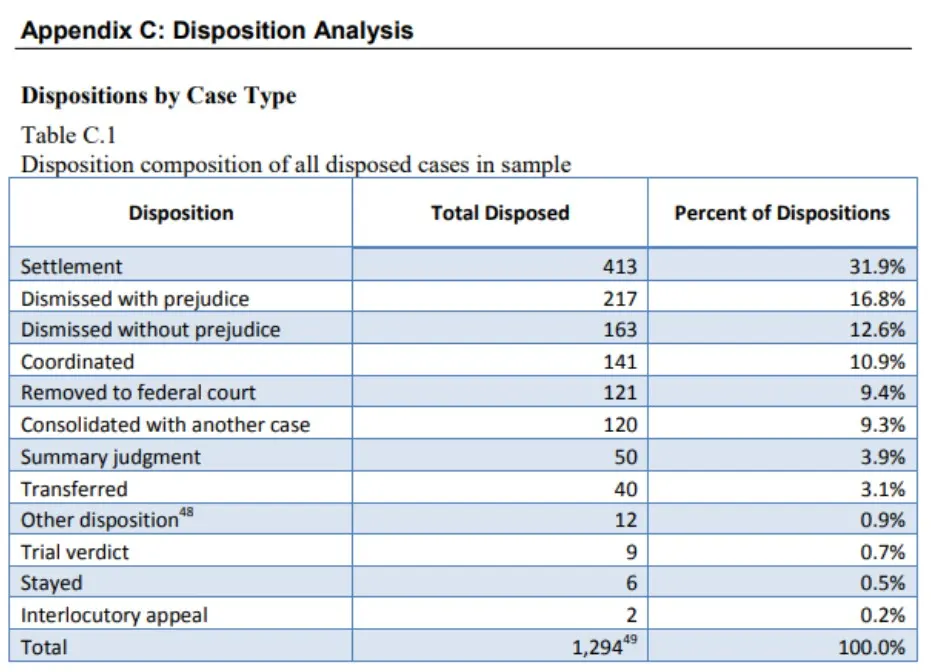
We can see how Uber and Lyft are facing wage theft claims in the form of a class action. It is also worth noticing that most class actions are settled. A study of class actions from the early years of the century reveals that over 3 in 10 class suits reach a settlement.
4 Cons of Class Action
The beginning of 2026 wasn’t pretty for Ticketmaster. It’s facing yet another class, and this time, it’s about Ticketmaster’s alleged surveillance tactics. The 2020s must be the decade of class actions. These lawsuits promise group power. But they’re also loaded with drawbacks that often leave you high & dry, while lawyers and the lead walk away cash rich!
We will tell you unabashedly that class suits often deal with these disadvantages:
Your Share Shrinks in the Massive Split
The biggest heartbreaker in a class action is your razor-thin settlement among hundreds or thousands. A headline-grabbing $20 million wage theft victory isn’t too consequential for 800 class members, is it? Subtract a 33% attorney fees, admin costs, taxes, etc. Poof! Your $25k personal loss becomes a $30 check in the end by slicing your individual compensation.
That’s why corporate behemoths only settle class actions because they realize that they can minimize the payout this way. Severe cases (disability firings with punitive potential) scream for solo suits where you claim full value, not group scraps. Other lawyers will confirm…
Leads & Lawyers Run the Whole Show
If you are a Vince Gilligan fan and have watched Better Call Saul, you remember how the lead character, Jimmy McGill, [SPOILERS] convinces the lead plaintiff of the Sandpiper case to settle for less money. That’s the thing about class actions; you have zero say in your fate. The lead and counsel dictate terms. They can settle low to dodge trials. They may also accept weak injunctive relief or push for risky appeals.
You Waive Your Solo Claim Right
You also waive your solo claim right when you join a class action. When you click “join,” it means you’re surrendering individual lawsuit rights for the same wrongs. Even if your class implodes! If your class action fails certification, it is too late. The statutes of limitations have expired during the wait. FEHA claims have a 1-year limit. Wage claims allow up to 4 years. You get no second chances. That’s why you have to be careful about joining!
Longer Timelines May Exhaust Your Patience
If you are filing a lawsuit against company-wide discrimination, class actions mean that you will get justice… but after a long waiting period. Classes can crawl for 2 to 5 years. You have to spend a few months in certification fights. Appeals will double this timeline. Solo suits settle in 8 to 18 months via direct negotiation.
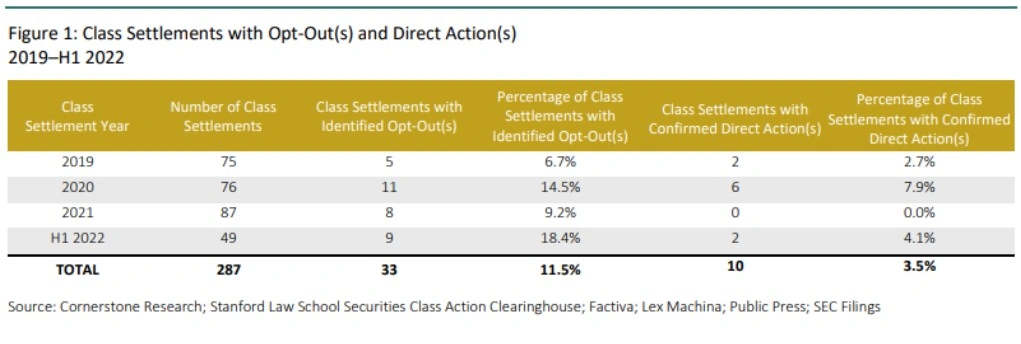
If your rent is due or you have a medical emergency at hand, you can’t wait for class payouts. The graph below shows that over 11% of class action members will opt out. If your lawyer advises you to opt out, pay attention!
When to Choose Class Action versus Individual Lawsuit
Join the Class Action If
You have a pretty small claim: If you want justice for $2,000 in unpaid OT, you can sue your employer with other coworkers. You guys can fund a monster case simply by pooling your individual claims.
You’re afraid of retaliation: You’ll get named publicly if you’re the lead plaintiff. You can join the class silently if you’re afraid of retaliation.
You want broader impact: Do you love stopping company-wide wage theft? Want to make a difference for everyone or do a little social activism? Class actions can make waves in the ocean by making companies change their policies and treat new hires well.
Skip the Class Action If
You have severe personal damages: If you lost $100,000 in wages and paid for your therapy because of targeted sexual harassment, you may consider filing your claim separately. A class action will dilute your share.
Your facts are unique: If everybody else is suing for missed breaks but you got the ax for your disability, you have a solo case.
You need quick cash: Class suits take several years. If you want compensation in a few months or so, a class action might not be the right method for you.
Workers considering class actions often benefit from speaking with employment lawyers in Oakland who understand local court practices, certification standards, and employer wage policies common in large Bay Area workplaces.
Avoid These Common Mistakes
Blindly joining the class: Some people skim their notices and miss key details. If you notice something like “no individual punitives,” you only have yourself to blame if you wake up to a $50 check after half a decade.
Missing your opt-out deadline: If you didn’t opt out of the class suit within the set timeline, it means you have forfeited your solo rights forever.
Ignoring your lawyer’s advice: The term “group power” sounds noble. But listen to your lawyer; if they recommend going solo for a $200k settlement, take their advice. Don’t settle for crumbs.
Talk to Experienced Attorneys before Taking Action
Class Action
Individual Claim
Cost
Affordable
High upfront risk (unless it’s on a contingency basis)
Control
Leads decide when to settle
You have full say in settlement matters
Payout
Small shares
Larger personal awards
Timeline
2 to 5 years are normal
Takes like 6 to 18 months
Retaliation
Anonymity for most
You’re a named target
Impact
Company-wide reforms
Personal fixes only
Rio Law Group offers free, confidential consultations with experienced California attorneys who specialize in wage disputes, discrimination, & retaliation claims. We evaluate your case, explain certification rules and opt-out rights, guide you on maximizing recovery, and outline timelines. Trust us to make sure that you get compensated well for your troubles. Don’t risk missing deadlines or settling for less. Protect your rights. Get personalized clarity today. Call Rio Law Group now toschedule your consultation this instant.
Meet Our California Lemon Law Attorney
Sam Mollaei, Esq.
Sam Mollaei is the Founder and Managing Attorney of Rio Law Group, where he leads a results-driven team dedicated to fighting for the rights of California employees. From wrongful termination and discrimination to wage violations and medical leave abuse, Sam and his team have helped hundreds of workers across California secure justice and compensation for employment law violations. His approach combines legal expertise with strategic business practices, aiming to transform the delivery of legal services in employment and consumer protection law.







 Call
Call