What Should You Know About Waiting Time Penalties California Laws?
Imagine you’ve wrapped up your last shift at work. You gave this company years of loyalty & hard work. Now, you’re saying your final goodbyes and counting on that final paycheck. But it doesn’t arrive when it should; days turn into weeks, and you get nothing. Feels frustrating, right? However, this isn’t simply rude or demeaning; it’s also illegal.
Your now-former-employer can face waiting time penalties California for delaying your last paycheck. The Labor Code Section 203 is very clear about this, i.e., your boss has to pay a daily fine up to 30 days’ worth of your wages if they don’t pay up fast.
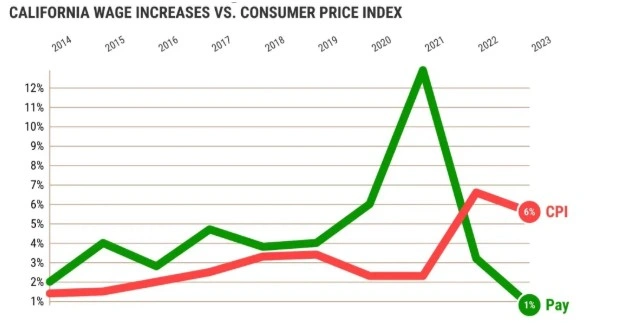
These penalties are like a financial whip that punishes employers for withholding a worker’s just earnings. Data shows that Californians today are earning less than they did a decade ago, but the consumer price index (CPI) has increased by 6% since 2014. So, if your boss is delaying your final paycheck, contact experienced lawyers to sue them. Final paycheck delays often go hand in hand with other wage violations, including unpaid overtime and off-the-clock work. Understanding how California calculates overtime hours can help you determine whether your employer shorted you beyond just your last paycheck.
What We Mean by Waiting Time Penalties California
When Elon Musk took over X (formerly Twitter), he fired over 6,000 people working for the social media behemoth, who sued the world’s richest man for their severance pay; the suit (worth $500 million) settled in August 2025. This is just an example that shows the strength of California’s waiting time laws: Pay your workers on time, or pay even more.
Here’s the gist of what waiting time penalties mean: if your boss willfully drags their feet on your final paycheck, they owe you an extra day’s wages for each day late (up to 30 days). The word “willful” doesn’t say they have to be sneaky or mean about it; it just means they knew they owed you but didn’t bother to pay. It’s like built-in interest on your money. If you are making $150 a day and your wages are 10 days late, you get an extra $1.5k!
Waiting time penalties matter because the Division of Labor Standards Enforcement (DLSE) handles thousands of wage claims every year. Many cases involve waiting time penalties. If you’re facing wage/hour violations in California, experienced lawyers can help you.
Are Your Final Wages Due Yet? Two Possible Scenarios
When we talk about waiting time penalties California, it matters when your final wages are due. Your employer can’t waive you away with “we’ll get to it next payday” excuses. The two sections that deal with this are 201 and 202. It depends on whether you resign from your job or get the ax. We’ll explain both scenarios here.
When You Resign from Your Job
If you quit on your own, the clock starts ticking based on the warnings you gave your boss. This mechanism keeps everything fair & square. If you gave your boss a warning that you’ll quit, they have to arrange your final paycheck right away. If you surprise them with a sudden resignation, they get a little breathing room. Here’s how it goes:
Did you give them a notice of at least 72 hours? Your final wages are due on your very last day of work. Your boss can’t tell you to wait for the next payroll cycle. This is a trap, and you shouldn’t fall into it.
Did you quit suddenly without giving at least a 72-hour notice? If you walk out on your employer in the middle of your shift or give them a last-minute warning, they have 72 hours to clear your paycheck.
Workers in the 20th century faced a lot of trouble getting their last wages. Their bosses used to hold paychecks hostage for “loyalty” or made excuses about the paperwork. But we now have laws that have flipped the script on dishonest employers. The modern world is based on gig economies and mass layoffs (remember the tech wave of 2024?), so violations spike easily. That’s why the DLSE is keeping a close eye on final paycheck delays.
When Your Boss Terminates You
The second scenario is when your company lets you go. You can get fired or laid off. You may get hit with a reduction-in-the-workforce excuse. But California laws protect you from these problems by making sure your boss is paying all wages earned up to the minute of your termination. There are no exceptions for weekends or holidays. Your employer will:
Hand you your physical check right then and,
Process direct deposit to your account the same day
Motion picture industry workers
Oilfield workers
Certain ag employees
Union folks under CBAs
Actors and the on-set film crew will get their money on the next regular payday
Oil workers will get paid no later than 24 hours after they have been terminated
Food processing and seasonal ag employees will get paid within the next 72 hours
Your collective bargaining agreement will set the timeline for your final paycheck
These laws cover every dime worked that day. Even partial shifts! If they send you home at 2 PM on a Friday, they owe you money through 2 PM (payable immediately). However, if your company belongs to a specialized industry, your situation can be different. For instance:
What Goes Into Your Final Paycheck?
Paycheck delays are not specific to the private sector. Even federal workers face delayed wages (especially during last year’s government shutdown). But what do you get paid for when you stop working for a company? What goes into your final paycheck? Final wages go way beyond merely your last shift’s hours in California. They also include:
Hourly wages & overtime: It includes your regular pay for hours worked up to your exit. It also includes 1.5x or 2x rates for any unpaid overtime. If you worked a double shift last week, it’s also in there.
Bonuses & commissions: If you earned a performance bonus, it’s included in your final paycheck. Sales commissions from closed deals or incentives that hit before you left the company must be in there as well.
Piece-rate earnings: These earnings are common in manufacturing or agriculture. You get total pay for every unit produced.
Accrued vacation or PTO: California laws say that your employer must reimburse you for your unused vacation time. It’s part of your wages. PTO follows the policy set by your company; if it accrues like vacation days, they have to pay it out. If there is no vacation policy, they owe you nothing.
Employer retirement contributions: 401(k) matches or pension inputs due for your work period must be included.
Expense reimbursements: If you spend money from your pocket on tools, mileage, uniforms, or traveling, your employer has to reimburse you under Section 2802.
How to Calculate Your Employer’s Penalties
Did you know that the US government recovered over $1.5 billion in stolen wages between 2021 and 2023? California’s strict wage time penalties make sure that your employer does not even think about stealing or delaying your final wages. The formula is dead simple, as it goes like this: Penalty = Your average daily wage + Number of days late (capped at 30 days). That’s how you can calculate how much money your boss owes you.
There is no interest or fine print. It’s straight-up your daily wages stacking up fast. If your boss doesn’t clear your payment, each day’s delay will add to their fine. If you make $80 daily while working 8 hours, a 10-day-late final paycheck will have a penalty of $800. If your boss delays your paycheck for a full month, they’ll pay you $2.4k on top of your base pay.
Don’t forget that these penalties accrue every calendar day late. Saturdays and Sundays also count. Holidays are included as well. There’s no “business days only” gimmick here, as your rent & food expenses continue on weekends. The clock only stops when you get paid in full or hit the 30-day cap. Recent DLSE data says that the average wage delay claim lands $2,500 per worker. The agency awards over $50 million in penalties throughout the year.
A 2024 report highlighted 15,000+ wage violation filings, and about 25% were tied to waiting times, often boosting workers’ recoveries by 20% to 50% over base wages. Low-wage folks get hit hardest percentage-wise, but everyone feels it. If you face wage delays, you should talk to experienced attorneys who specialize in these cases and operate in your town.
The “Good Faith” Defense: How Your Employer Dodges Waiting Time Penalties California
We recently did a piece on the lunch break laws in California and explained how employers often deny these breaks or keep the employee busy as they’re eating their lunch by asking them to stay close to their workstation. Something similar happens with final wages.
Your boss can fight back your claim with a “good faith dispute” defense. But it’s like a narrow escape hatch. Courts waive these penalties only if there’s a legit, honest disagreement over what your boss owes you (think of disputed hours or bonus eligibility) and if they have actual documents proving they’re right. Lame excuses won’t fly before a California judge.
But remember that the term “willful” doesn’t need bad intent. So, your employer can’t come up with excuses like they forgot or there was a payroll glitch. You’ll likely win the case.
Common Mistakes Employers Make (and How to Spot Them)
Delaying for the next payroll: Many employers delay final wages by promising that they will roll them into the regular cycle next week. This is illegal. The law states you must get your final paycheck either immediately or within 72 hours. Your boss needs to give you an exact date. Ask them when you’ll get a check in the mail.
Forgetting vacation payout: Some companies offer vacation time, but “forget” to cash out your unused hours. The law says you’ll get a full payout for your accrued vacation as your wages. Check your final stub against your accrued balance.
Excluding commissions or OT: Sales reps may get stiffed on pending commissions from the deals they closed before their exit. Overtime pay can also “vanish” without a trace! Your boss may nitpick that your OT payment hasn’t been finalized yet. That’s why you should match your stub to sales logs or timesheets to unmask dishonesty.
Ignoring direct deposit on termination day: If you bank via direct deposit all year, but they hand you a paper check on the firing day and tell you to come back Monday, that’s wrong. The law mandates same-day deposit processing if that’s your norm. So, if your funds don’t post by the end of the day, you have grounds for litigation.
Why This Law Matters in 2026 and What You Should Do
We hope you now understand the case of waiting time penalties California. With inflation biting, these protections shield working-class families. It’s not just money; it’s respect for your work. Facing wage delays? Document everything. We at Rio Law Group review your claims for free—no pressure, just straight talk on recovering every cent owed. Our diligent team will work on your behalf and make sure that you are getting the money you deserve!
Meet Our California Lemon Law Attorney
Sam Mollaei, Esq.
Sam Mollaei is the Founder and Managing Attorney of Rio Law Group, where he leads a results-driven team dedicated to fighting for the rights of California employees. From wrongful termination and discrimination to wage violations and medical leave abuse, Sam and his team have helped hundreds of workers across California secure justice and compensation for employment law violations. His approach combines legal expertise with strategic business practices, aiming to transform the delivery of legal services in employment and consumer protection law.





 Call
Call